6 Marketing Management Philosophies with Examples
marketing philosophy with examples

What is a Marketing Philosophy? Marketing philosophy is a fundamental strategy that directs a company’s actions toward customers and goals. It’s a mindset guiding how a company engages with customers and achieves its objectives. This approach emphasizes different factors, such as product quality, aggressive selling, customer needs understanding, or a comprehensive perspective considering all elements. … Read more
What is a Market? Definition, Characteristics, Types, & How It Works

what is market

Quick Summary A market is a platform where buyers and sellers exchange goods, services, or information, either physically (stores, bazaars) or virtually (e-commerce). Key characteristics include buyer-seller interaction, commodity focus, and supply-demand dynamics. Markets vary by type—consumer, B2B, financial, auction, etc.—each serving different needs. They function through price mechanisms influenced by demand, availability, and competition, … Read more

PESTLE Analysis – Definition, Components, Examples, Pros/Cons, and FAQs

pestle analysis

Quick Summary PESTLE analysis is a strategic tool that evaluates Political, Economic, Social, Technological, Legal, Environmental, and Global factors impacting businesses. It helps organizations anticipate risks, identify opportunities, and adapt to external changes. While offering comprehensive insights, challenges include data complexity and dynamic environments. Examples like Starbucks and Adidas demonstrate its application in real-world business … Read more

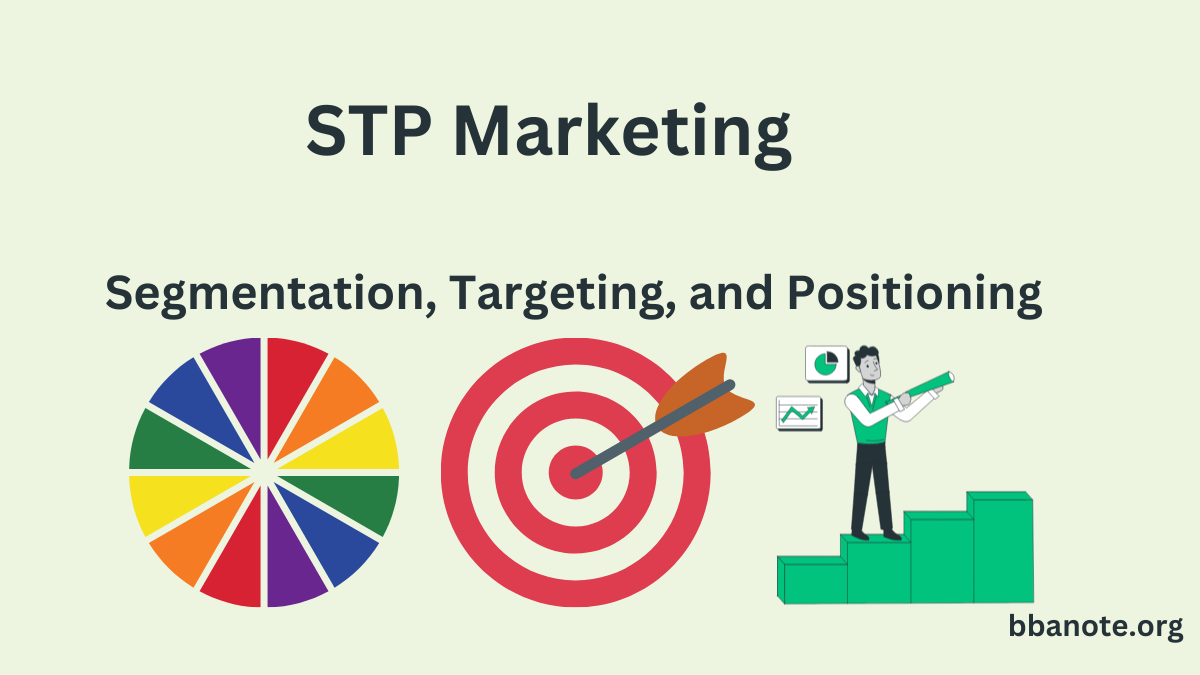
STP in Marketing – Definition, and Pros/Cons

stp marketing

Definition STP in marketing stands for Segmentation, Targeting, and Positioning. It’s a customer-centric planning framework that helps marketers divide a broad market into smaller groups (segmentation), choose which group(s) to serve (targeting), and craft a clear image or offer in customers’ minds (positioning). STP moves a brand away from “one-size-fits-all” thinking and toward delivering relevant … Read more

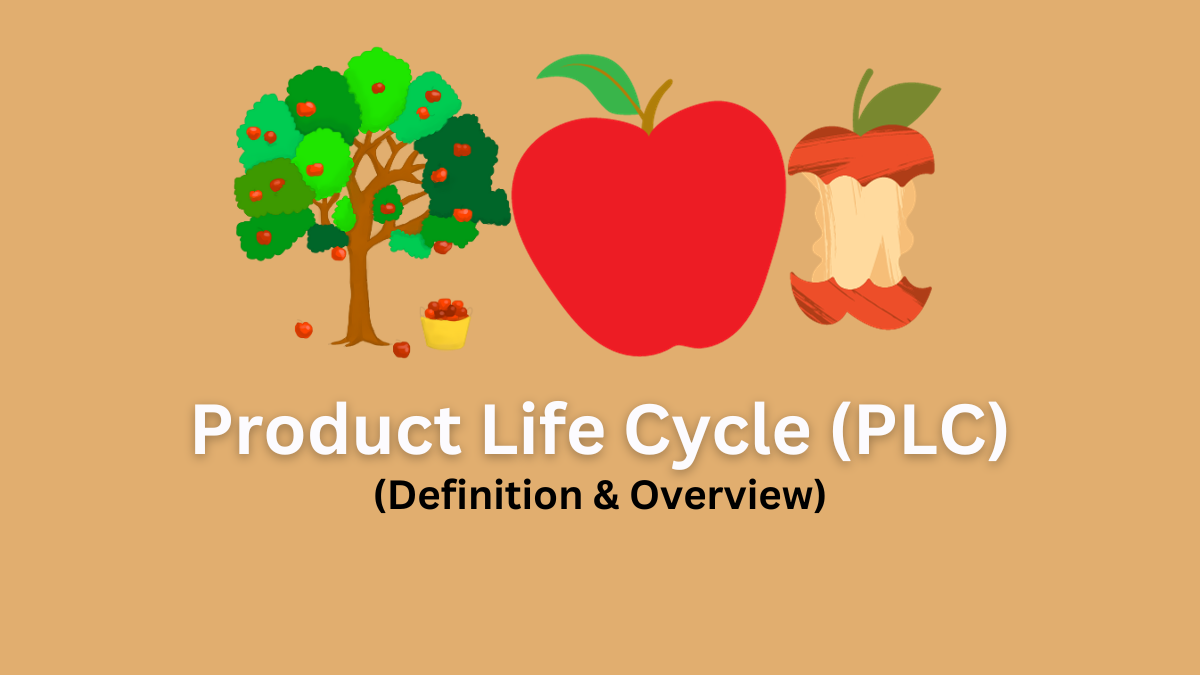
Product Life Cycle (PLC) – Definition, Stages, and Pros/Cons

product life cycle

Definition The Product Life Cycle (PLC) in marketing describes the stages a product typically goes through from its introduction to the market until its decline and eventual withdrawal. PLC is a strategic framework that helps marketers anticipate changes in sales, profits, customer needs, and competitive dynamics over time. While not every product follows the exact … Read more

Pricing in Marketing – Definition, Strategy, & Pros/Cons

Pricing in Marketing

Definition Pricing in marketing is the process of setting the amount customers pay for a product or service. It’s not just a number — pricing is a strategic lever that affects demand, profitability, brand position, and competitive dynamics. Good pricing balances company objectives (revenue, market share, margin, customer lifetime value) with customer perceptions of value, … Read more

Distribution in Marketing – Definition, Types, and Importance

Distribution in Marketing

Definition Distribution in marketing (also called place or channel management) is the process and set of decisions that get a product or service from the producer to the final customer. It covers the routes — physical and digital — through which goods flow, the intermediaries involved (wholesalers, retailers, brokers, agents, platforms), and the logistical and … Read more